Technology
Starting with pyrolysis. Building beyond it.
Our first technology is modular pyrolysis for suitable agricultural residues. It is the first module in a broader waste-processing platform.
How pyrolysis works
Controlled thermal conversion, in plain terms.
Pyrolysis thermally converts suitable biomass in a controlled, low-oxygen environment. The process produces carbon-rich biochar while also creating opportunities for heat and energy recovery.
Operating parameters, yields and output quality depend on the feedstock and the configuration of the system. We characterise each feedstock before committing to a deployment design.
Process
Agricultural residue
Collected at the point of processing
Feedstock preparation
Sizing, drying and handling
Modular pyrolysis
Controlled low-oxygen conversion
Biochar
Stable carbon-rich material
Heat / energy recovery
Where the site can use it
Carbon data
Measurement for reporting and verification
Platform
Modular by design, expandable by intent.
Pyrolysis is the first commercial technology, not the boundary of the company. OKIN intends to expand its platform into additional waste-processing technologies as economics and feedstock characteristics require.
Modular
Units are sized to the waste stream and installed at or near the source, avoiding long-haul logistics.
Instrumented
Waste input, processing performance and outputs are measured so operations and carbon reporting share one dataset.
Operated by OKIN
The processor never has to build a waste-processing team. Our operators run the asset.
Outputs
What comes out of the system.
Output mix varies by feedstock and configuration. We characterise and report on outputs project by project rather than publishing generic yield claims.
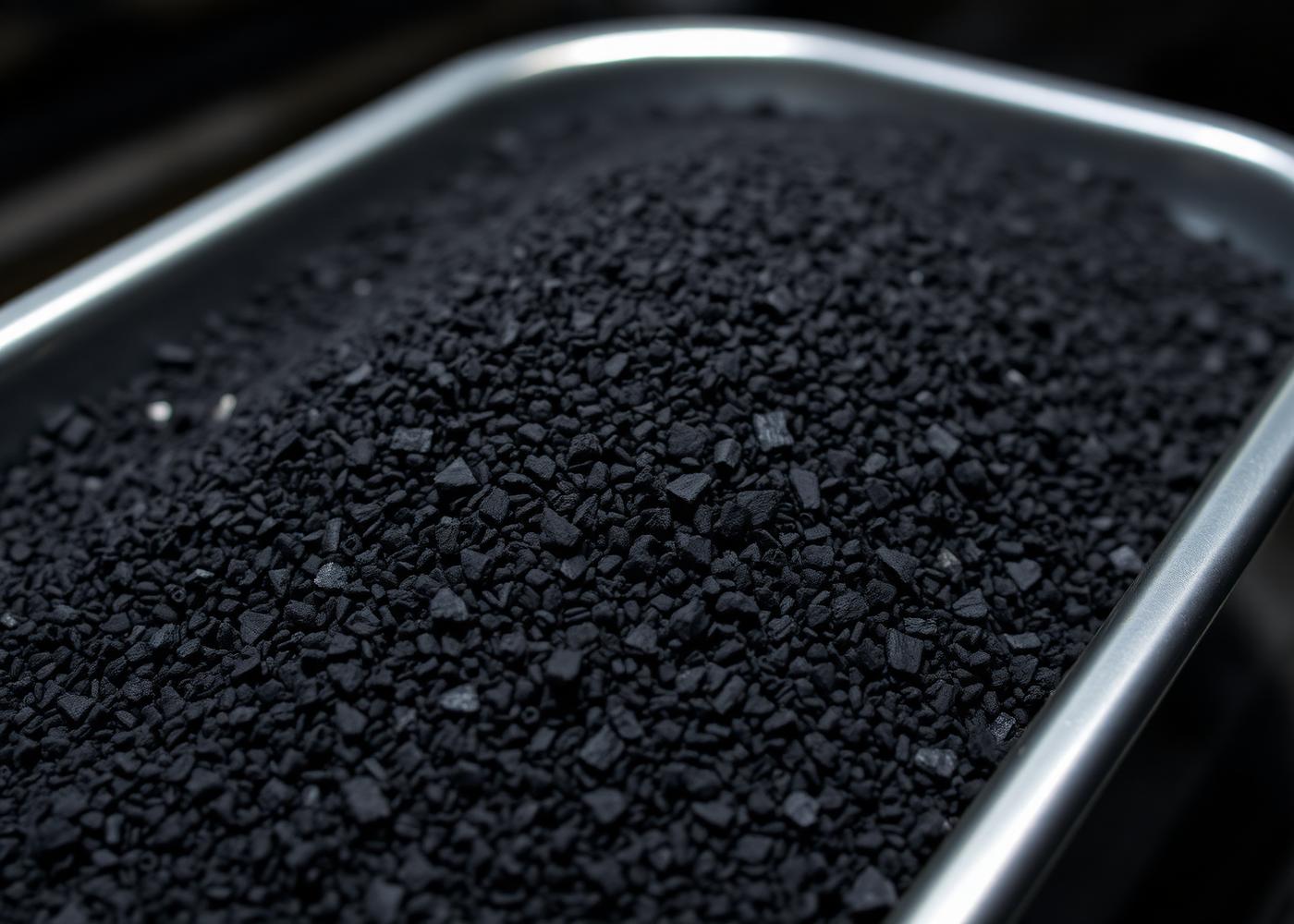
Biochar
Stable carbon-rich material with agricultural and industrial uses.
Heat and energy recovery
Where the host site can productively use recovered heat.
Recovered materials
Depending on feedstock and processing route.
Carbon data
Measured inputs and outputs feeding MRV.