Industries
Built for processors with concentrated waste streams.
The strongest economics come from facilities that already collect a recurring residue stream at a single point. Suitability is assessed before deployment.
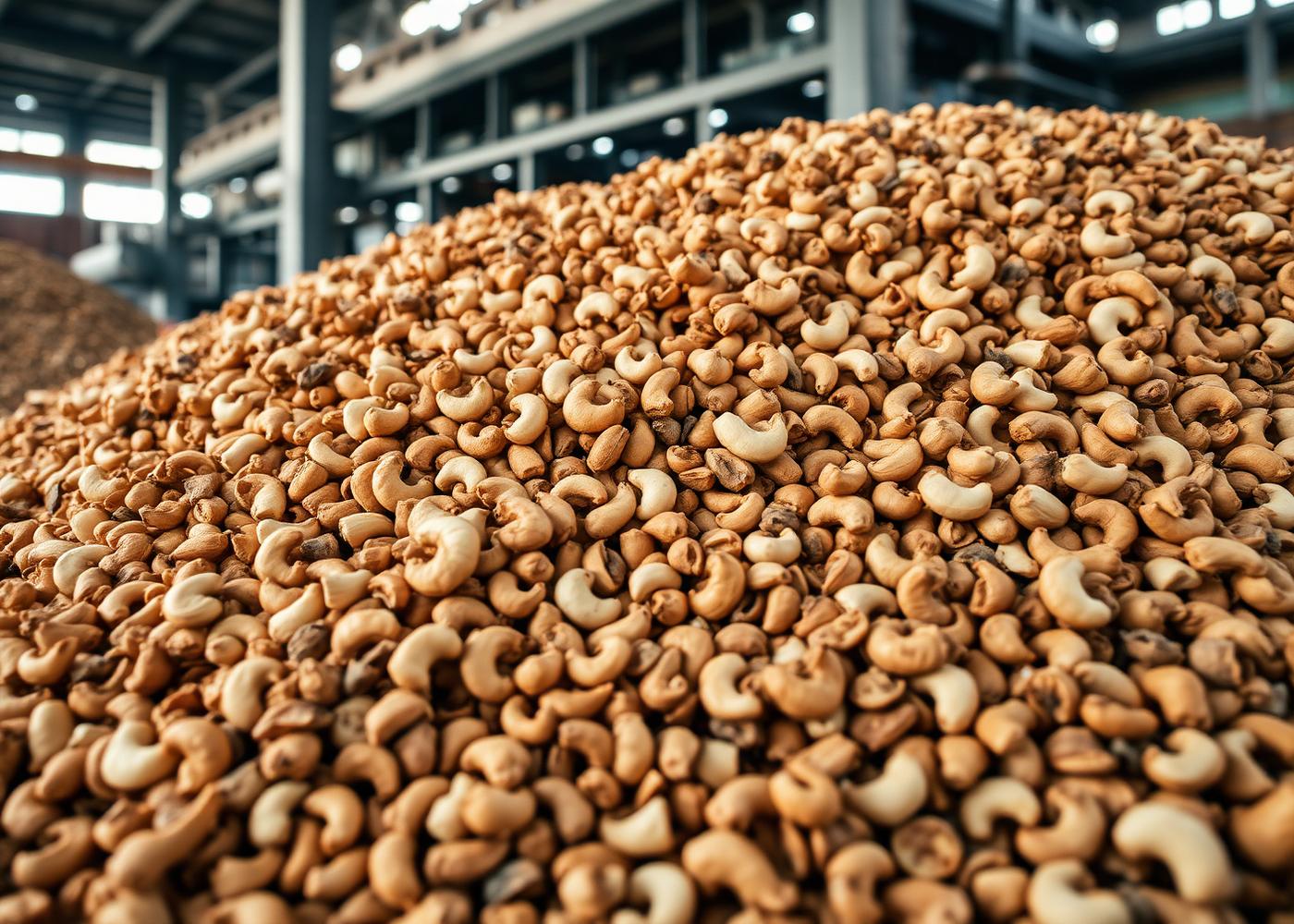
Cashew processors
Shelling and roasting lines produce concentrated shell volumes at a single point of collection.
Waste-stream suitability assessed before deployment.
Palm processors
Kernel shells and fibre accumulate continuously alongside milling operations.
Waste-stream suitability assessed before deployment.
Rice mills
Husk is generated in predictable proportion to milled output, often stockpiled on site.
Waste-stream suitability assessed before deployment.
Groundnut processors
Shelling generates a dry, uniform residue stream well suited to thermal processing.
Waste-stream suitability assessed before deployment.
Cocoa processors
Pod and husk residues create seasonal volumes that need structured handling.
Waste-stream suitability assessed before deployment.
Food manufacturers
Mixed organic by-products from production lines require assessment for suitable routes.
Waste-stream suitability assessed before deployment.
Sawmills
Offcuts, sawdust and wood residues are consistent, concentrated and often under-utilised.
Waste-stream suitability assessed before deployment.
Other agricultural processors
Any facility producing a concentrated, recurring organic residue stream is worth assessing.
Waste-stream suitability assessed before deployment.
Feedstocks
Residues we assess first.
Dry, uniform and continuously generated residues are typically the best candidates for thermal processing. Mixed or wet streams may require different routes.
- Cashew shells
- Palm-kernel shells
- Rice husks
- Groundnut shells
- Cocoa residues
- Other agricultural processing residues